9 ways to become an Activist: Living in Brighton and swimming in the sea regularly, water quality is a topic of conversation every time I swim. It is a never-ending problem of epic proportions, well-covered in the press and well-documented by campaign groups. However, it is only a change in the law that will hold the water companies accountable.
I wanted to contribute in a small way to the solution. I decided to kick-start my ocean activism by looking at my skills and resources. My interest in the environment began as a teenager, supporting Greenpeace during the era of chlorofluorocarbons (CFCs), the hole in the ozone layer, and the devastating Exxon Valdez oil spill. Decades later, my passion remains strong, and I’m ready to up my game and become more active.
It was time to reflect on my strengths and the skills I could offer. Am I good at logistics, making signs, uniting people, writing articles, organizing marches and flash mobs, creating artwork, hosting podcasts, or making films? The more I researched, the more I realized that whatever your skill set, you can make a difference. I came up with 9 ideas that could start you on your path to becoming an activist!
Here are 9 ways you can become an activist:
Before you start Identify why you care about the issues you’re mobilizing behind. That’s the foundation of your activism, and what will drive your forwards. Activism is a long slow process changes can take many years or even decades. Take it slow and steady!
1 Educate Yourself:
Learn about the issues you care about. Understand the root problems and current state of affairs related to your cause. You will work with the experts to raise awareness of your cause, there’s no one prescribed way to be an activist. You can take action however works for you. Don’t confuse caring with expertise, you don’t have to know everything on the topic in question, but it is important to learn as you go.
ACTION: Read Make It Happen: You Can Be An Activist by Amika George – I have just finished this book, it’s a quick easy read full of examples of activism across the world.
2 Join Organisations: Every charity, campaign or movement needs activists!
Look for organisations or groups that align with your values and goals. Joining these groups can provide support, resources, and a sense of community.
ACTION: Follow @oxfam @surfersagainstsewage @amnestyuk @greenpeace @redcross
3 Attend Events and Workshops:
Participate in rallies, protests, workshops, and community meetings to connect with other activists and deepen your understanding of the issues. Connecting with like-minded people starts conversation and can lead to opportunities.
ACTION: Follow hashtags #climatechange #sewage pollution #metoo and @GreataThunberg @davidattenborough @chrispackham2 @meganmccubbinwild @amikageorge @malala
4 Contact Elected Officials:
Write letters, make phone calls, and attend town hall meetings to communicate your concerns to elected representatives. Advocate for policy changes and hold officials accountable for their actions.
ACTION: Most campaigning websites will have emails you can copy and paste. See the Surfers Against Sewage email here
5 Volunteer:
Get involved in grassroots initiatives, local charities, or community projects that address the issues you care about. Volunteering can be a hands-on way to make a difference. Check out your campaign/charity website and see what roles are available.
ACTION: Check out the Extinction rebellion website – they currently have 50 volunteer rolls.
6 Support Movements:
Stand in solidarity with movements advocating for social justice, environmental sustainability, human rights, and other important causes. Find the one that resonates with you and begin your research and see how you can get involved.
ACTION: Read this article by Amnesty International – it needs updating but it gives you an idea of the many and ever-changing social movements.
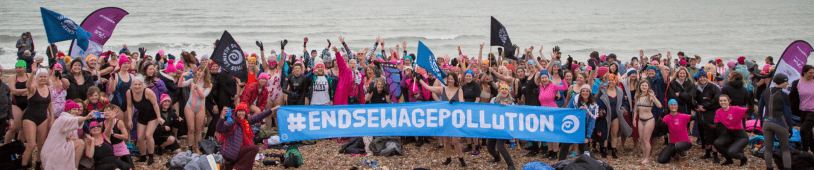
In March 2024 I ran an event to celebrate International Women’s day and joined forces with Surfers Against Sewage. At the event we asked people to write to their MP about the sewage issue!
7 Raising funds helps your activist message travel further:
Organize fundraising events, crowdfunding campaigns, or donation drives to support organizations and individuals working on the frontlines of your cause. Tap into your skills, a friend of mine at Christmas made wreaths and sold them to friends and family and made £800 for her local food bank.
ACTION: Raise funds doing what you are good at: baking, cooking, making or organising events.
8 Practice Civil Disobedience: This is more suited to the more hands on activists.
Participate in nonviolent direct action, such as sit-ins, marches, or acts of civil disobedience, to draw attention to injustice and demand change. This one is not for the faint hearted!
ACTION: One of my favourite civil disobedience acts is the story Julia “Butterfly” Hill who lived 180 feet above the ground in a California redwood named Luna for 738 days to prevent loggers from destroying it — and she succeeded.
9 Educate Others:
Share your knowledge and passion with friends, family, colleagues, and acquaintances. Encourage others to get involved and become advocates for positive change in their own communities.
ACTION: Set up you own local group. I know Surfers Agains Sewage are looking for local reps
Read the Surfers Against Sewage Manifesto
Remember, activism is a journey, and there’s no one-size-fits-all approach. Find what resonates with you and take action in ways that align with your values and strengths.
Next time I will tell you how my activist journey is going?
It’s time for Tea and Biscuits!